Before your dog starts daycare, the questions to ask your vet go well beyond the requirements sheet the facility hands you: which vaccines and parasite preventives your dog needs before mixing with other dogs, and whether age, weight, breed, or an existing health condition makes a full day of group play a poor fit. That sheet takes thirty seconds to print, but it cannot answer either question. An exam can settle much of that, but some of it, like how your dog copes with a crowded play floor, shows up only on a trial day. Asking those questions first spares you from learning the answers the hard way, and it tells you early if supervised boarding or a quieter arrangement would suit your dog better.
Sixes Animal Hospital at Bridgemill in Canton treats a pre-daycare visit as a real conversation rather than a rubber stamp: you know your dog's temperament, we have their medical picture, and the decision belongs to both of us. We build vaccine and preventive plans around each patient instead of a standard list, so we can weigh what the facility expects against what your dog actually needs. If your dog is anxious or reactive, our behavior consultations help you decide whether a trial day makes sense at all or a quieter arrangement is the kinder choice. Before you book that first day, request an appointment with us, and bring the facility's requirements along so we can go through them together.
What the Tour Will Not Tell You
- A glossy lobby tells you nothing about the play floor. Pointed questions about handlers, grouping, and rest tell you almost everything.
- Required vaccines and parasite checks shrink the chance of something spreading through the group. They can't take it to zero.
- If your dog would rather have a quiet room than a crowded yard, that's not a failure. It's a good match waiting to be made.
- Book the exam a week or two before the trial day. With vaccines, prevention, and paperwork already done, day one can be about your dog and nothing else.
What Happens at a Pre-Daycare Vet Visit?
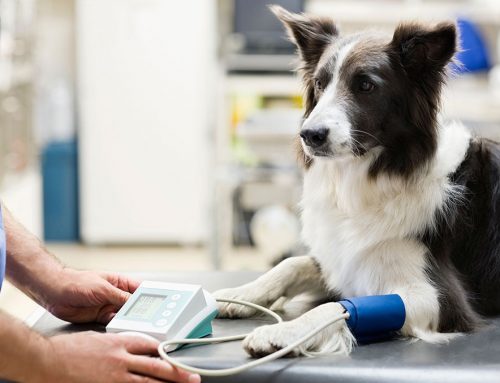
Picture the facility's requirements sheet sitting on our exam table. We'll work through it line by line, but the exam comes first: heart and lungs, joints, teeth, weight, and skin. Then we sort out which vaccines are current and which are due, run a fecal test, and confirm parasite prevention is active before the first drop-off. Boosters need time to build protection, and a last-minute appointment can't give you that.
Here's the question to put to the facility: which vaccines do you require, and how do you check them? If the front desk simply takes your word for it, every dog in that room is trusting every other family's memory, and the one whose booster quietly expired last spring becomes the weak point for the group. Requirements also vary by region; a Georgia list won't match a New York list. Also raise this early: once a dog is past about six months, most places expect them to be spayed or neutered.
| Shot | The disease behind it | Will the facility ask for it? |
| Rabies | The rabies virus itself | Yes, everywhere, and state law requires it anyway |
| DHPP | Distemper, hepatitis, parvovirus, and parainfluenza in one combination vaccine | Yes, every facility |
| Leptospirosis | Bacteria carried in contaminated puddles and wet soil | Many Georgia facilities ask for it, and it’s a core vaccine anyway |
| Bordetella | The bacterium behind most kennel cough cases | Almost every facility, though it isn't a core vaccine |
| Canine influenza | Dog flu, covering the two strains seen in the US | Some facilities, and more during a regional outbreak |
A dog with a full vaccine card can still bring home worms, because intestinal parasites don't care about vaccines. They travel in stool and dirt, and the dog shedding them often looks perfectly well. Routine fecal testing catches that, and heartworm, flea, and tick prevention that doesn't pause for winter handles the rest. Expect the facility to require a symptom-free stretch after vomiting, diarrhea, or coughing.
Nobody wants to be turned away at drop-off over a missing date. We keep vaccine records and year-round prevention current and send the facility what it needs ahead of time.
What Separates a Great Daycare From an Average One?
You'll get the tour of the lobby. Ask to see the play floor instead, because that's where the difference shows. A strong facility pairs playmates on purpose, keeps handlers moving through the group instead of leaning on a wall, and gives you an honest report at pickup. Group socialization done well teaches a dog to read other dogs and recover from an awkward moment. Done poorly, creates anxiety and a fear of other dogs.
Is Daycare a Good Fit for Every Dog?
Your neighbor's young Lab loves daycare. That says nothing about whether yours will. Group play suits social, resilient, physically comfortable dogs, and not every dog is one. Dog tolerance runs along a spectrum, and where your dog sits on it moves with age, with pain, and sometimes after one bad afternoon on the play floor.
Watch the door and the drive home. A good fit trots in, plays in bursts with real breaks, and comes home tired instead of frantic. Look harder if your dog hides at drop-off, guards toys more than before, or plants their feet in the parking lot.
Age narrows tolerance quietly. An easygoing dog with arthritis, hearing loss, or a sore back can start snapping when a young Lab body-checks them, and that's pain talking, not a personality change. If your dog's feelings about the group have shifted, talk it through with us and we'll look for something physical underneath it.
Is the Dog Park a Reasonable Substitute?
At daycare, every dog got screened before it walked in. At the park, nobody did. That single difference is where the real dog park risks live: the dogs who happen to show up and whether the people attached to them are paying attention.
Parks still have a place. A near-empty weekday morning, or a standing playdate with one dog yours already likes, suits a confident adult fine. What's missing is accountability: nobody reviews an incident, separates mismatched play styles, or checks who's vaccinated.
When Is a Puppy Ready for Daycare?
The short answer for most puppies is: not until the core vaccine series is done. Through those early months the immune system is still coming online, and a room full of adult dogs on shared ground is exactly the environment where an unfinished series gets tested.
Puppy-only programs with tighter health rules, fewer dogs, and shorter sessions exist at some facilities, and later in the vaccine series one can be reasonable. Get specific:
- Grouping and length: Do puppies play only with other puppies, sorted by age and size, and how long is a session?
- Cleaning and staffing: Which disinfectant kills parvovirus, how often do floors and yards get it, and how many puppies does each handler watch?
Where Should a Young Puppy Learn Dog Manners?
A structured class is the safest classroom for a puppy whose protection is still building. The puppy socialization window starts closing around 12 to 14 weeks, well before the last booster, and a puppy kept home until the series ends misses more than it gains.
Look for a class that meets indoors on a surface that can be disinfected, checks vaccine records at the door, and sends sick puppies home. A dog park offers none of that, and that makes it the riskiest option for a young puppy. Once the core series is finished, and our wellness plans keep it on schedule, a class graduate usually walks into daycare ready for it.
What Should You Ask Before You Book?
Start with the people, not the amenities. How many dogs does each handler watch? What training do they have? How are dogs grouped, and what happens the moment one gets overwhelmed? A well-run facility answers with specifics. A careless one goes vague and talks about the webcam.
Safe group play rests on handlers who interrupt rising arousal before it tips into a fight, who sort dogs by size and play style, and who build rest into the day rather than letting the floor run wide open for eight hours. Zero conflict isn't the goal; dogs correct each other and that's normal.
| The topic | The answer you're hoping to hear |
| Screening and grouping: evaluations, trial days, group splits | A temperament evaluation before enrollment, then groups divided by size, age, and play style |
| Staffing and training: ratios, body language, first aid | An actual number for the ratio, handlers who can name the signs of escalating play, staff trained in pet first aid or CPR |
| Rest and stress: naps, overstimulation, toys | Downtime scheduled in a separate space, a handler who pulls a stressed dog out early, toys managed around the guarders |
| Cleaning and surfaces: disinfectants, schedules, flooring | A disinfectant that actually kills parvovirus, a written cleaning schedule, footing with grip instead of slick concrete |
| Weather and enrichment: heat, storms, indoor days | Air conditioning inside, shade and water outside, yard time cut short in the heat, real enrichment on indoor days |
| Incidents and medical needs: injuries, illness, seniors, medications | A same-day call about every incident, a clear plan for veterinary care, a written medication log |
Ask what the plan is for a July afternoon, because a Georgia summer tests it hard. The dogs with the least margin go down first: flat-faced breeds like pugs and bulldogs, seniors, overweight dogs, and any patient with heart or airway disease. A fenced yard in full sun can tip them over in minutes. Heavy panting, a wobbly gait, or brick-red gums at pickup means cool your dog with cool tap water and moving air, skip the ice and the ice bath, and get them seen right away. We see urgent cases during our open hours.
What Should You Watch For After Pickup?
Tired, thirsty, and pleased with themselves describes most dogs at pickup. A quick two-minute check at the car, hands running over the whole body, catches the ones who need more attention: a cough, a puncture wound, loose stool, a limp, or a squint.
- Coughing: A honking cough that starts a few days after a visit usually means kennel cough, passed through the air and on shared surfaces. Most adults shake it off; puppies and seniors can get considerably sicker.
- Vomiting or diarrhea: Parvovirus is why a facility's vaccine rules matter more than how clean the lobby smells: the virus can persist for months in dirt and on flooring, and the cleaners under most kitchen sinks don't kill it. Giardia rides along in shared water bowls and contaminated ground, showing up as on-and-off soft, greasy stool rather than dramatic diarrhea.
- Fever, lethargy, or dark urine: Leptospirosis lives in urine-contaminated puddles and standing water in play yards, and it can infect people too, one reason more facilities now require the vaccine.
- Itching and hair loss: Sarcoptic mange passes dog to dog by direct contact, and the itch is relentless, usually worst along the edges of the ears, at the elbows, and across the belly. It can spread to people in the house. Ringworm and flea flare-ups also hitch a ride home, and each needs a diagnosis rather than a guess.
- Wounds and swelling: Bite wounds almost always run deeper than they look. Teeth crush and tear what's under the skin, and the skin then seals over the puncture with bacteria trapped inside.
- Eyes and mouth: A red, watery, squinting eye at pickup could be conjunctivitis or a scratched cornea, and the two look alike enough from the outside that a prompt exam beats leftover drops from the cabinet. Rough tug games sometimes leave a chipped or fractured tooth behind, and our dental X-rays show what's happening below the gumline.
Small scrapes can be cleaned at home with warm water and checked twice a day. Any wound that swells, feels warm, turns tender, or starts to drain means it's time to call or text us. One firm rule while you wait: nothing from your own medicine cabinet. Ibuprofen and many other pain medications are poisonous to dogs, and a dose sized for you can do real harm. Fecal testing earns its keep here too, because a dog can shed parasites for weeks while the yard looks spotless, and our in-house lab can run that check the same day.
How Do You Set Your Dog Up for a Good First Day?
Think small for the first day. A half day or a short trial session, a drop-off that's calm and quick, and a staff that knows everything about your dog, awkward parts included. Tell them about medication schedules, anxiety triggers, physical limits, and the quirks you'd rather skip over, like the tennis ball your dog won't share.
A thirsty dog who sleeps hard that night means the day went well. Trembling, hiding, or soreness that lingers for two days points toward shorter visits or a different setup.
The Daycare Questions We Hear Most Often
Is there such a thing as too many daycare days?
For most healthy adults, two or three days a week is the sweet spot, familiar enough to stay easy without running the tank dry. Some high-drive dogs want more and some wear thin on less, and you'll read that at home first. An irritable, sore dog who spends two full days sleeping off each visit is telling you to scale back. Puppies and seniors do best with shorter, less frequent days.
Are a few scratches after daycare normal?
A few surface scrapes after daycare are ordinary, and they tend to heal with warm water and a couple of days of watching. Pay closer attention to anything puncture-shaped, warm, swollen, or too tender for your dog to let you near, because a tooth puncture looks tiny on the surface and does its damage underneath. Friday's minor scratch can be Sunday's abscess. When you're unsure, let us look.
My dog used to love daycare. What changed?
A dog who used to love daycare and now resists it has had something change, and pain is the first thing to rule out. Sore hips, an aching ear, or dimming eyesight can make a crowded play floor feel unpredictable. If the body checks out, look at the facility: one bad encounter, a new handler, or a group that has grown too large or too rowdy. Start with an exam, then ask about a smaller group, shorter days, or a different mix of playmates.
Finding the Right Fit for Your Canton Dog
When it works, you'll know: a dog who drags you toward the door in the morning and sleeps like a stone that night. When it doesn't, you'll know that too, in a dog who comes home wired, sore, or shut down. Which one you get is mostly decided before the first drop-off, in what you ask the facility and in the health picture we build with you.
Plenty of Canton dogs light up in a group and plenty would rather have a quiet room, and neither answer disappoints us. Schedule a pre-daycare exam at Sixes Animal Hospital at Bridgemill and we'll bring vaccines current, check whether your dog's body is up to a full day of play, and help you weigh daycare against a calmer arrangement.