
A single dose of dewormer clears the worms living in your puppy or kitten's intestines that day, and nothing more. Immature larvae sit in tissue where the medication cannot reach them, and over the following weeks they migrate to the gut and grow into the next wave of adults. That is why deworming starts at two or three weeks old and repeats multiple times, with each round catching what has matured since the last. A fecal test tells us if your pet is all clear or if there are still parasites to treat. Those doses then roll into the year-round prevention your pet stays on as an adult. Stopping early lets the cycle keep running, and intestinal parasites take a real toll on your pet, from poor weight gain and soft stool to blood loss that can turn dangerous.
Sixes Animal Hospital at Bridgemill in Canton builds deworming into every new puppy and kitten visit, and we also screen a stool sample for parasites the routine medication does not cover, such as coccidia and giardia. Preventive care for puppies and kittens covers deworming alongside exams, vaccines, and year-round parasite control, and our wellness plans group those visits into one package. If you have a new puppy or kitten at home, request an appointment and we will get the schedule started.
Deworming, Down to the Basics
- Most puppies and kittens are already carrying intestinal parasites by the time they come home, picked up from their mother before birth or through nursing
- Deworming repeats every two weeks from around two weeks of age through eight to sixteen weeks, because each round only clears the worms that have matured since the last dose
- A puppy or kitten who looks perfectly healthy can still be carrying a real burden, which is why fecal testing runs alongside the medication instead of replacing it
- Coccidia and Giardia aren't worms, so standard dewormers don't touch them and a different prescription is needed once testing finds them
Why Do Parasite Infections in Young Pets Often Look Like Nothing?
Most young animals carrying intestinal parasites look and act completely healthy, so a bright, playful puppy or kitten is never proof that nothing is there. Waiting for a visible sign means waiting until the worm burden is heavy enough to make a young animal sick.
The early signs are quiet ones, and they're easy to pin on something else. A stretch of soft stool after a food change, a round belly on an otherwise thin frame, or a coat that stays a little dull all get explained away for weeks. The puppy who's a little slower to gain weight than their littermates, the kitten who eats well but stays scrawny, the pup whose stool firms up and then goes soft again: those are worth mentioning at the next visit.
By the time a young pet is vomiting worms, running pale gums, or dropping weight, the infection has usually been building for a while. Testing plus scheduled treatment catches it long before that point.
Diarrhea in a young pet isn't always worms, either. Parvovirus in puppies and panleukopenia in kittens can open the same way, and both move fast, so vomiting, bloody diarrhea, or a puppy or kitten who suddenly won't eat needs an exam rather than another dose of dewormer.
Which Parasites Are Most Common in Puppies and Kittens?
Roundworms and hookworms lead the list in young dogs and cats, followed by whipworms in dogs with outdoor access and tapeworms in any pet who has met a flea. Coccidia and Giardia round out the group, and neither one is a worm, which changes how we find and treat them.
What Do Roundworms and Hookworms Do?
Puppies and kittens are often born already carrying roundworms and hookworms, picking them up before birth or through their mother's milk, and the eggs left behind in soil stay infective for years afterward. That's why a litter raised in a spotless home can still test positive, and why a yard that housed an infected dog two summers ago is still a source today.
Roundworms are the classic pot-bellied puppy parasite. They live in the intestine, steal nutrients, and in heavy loads they can crowd the gut enough to cause vomiting or an obstruction. Hookworms are the more dangerous of the pair. They latch onto the intestinal wall and feed on blood, and a small puppy or kitten doesn't have much blood to spare. A severe hookworm infection can cause life-threatening anemia within days in a newborn, with pale gums, weakness, and dark stool as the warning signs. That's the every-two-weeks schedule doing its most protective work.
What About Whipworms and Tapeworms?
Whipworms shed eggs in waves rather than steadily, so one clean fecal sample doesn't rule them out in a dog spending real time on grass and soil. They're mainly a canine concern, they burrow into the wall of the large intestine, and the usual picture is intermittent mucus-streaked or bloody diarrhea in a dog who otherwise seems fine. Repeat testing, or treating based on the clinical picture, is often how they get caught.
Tapeworms arrive by way of a flea swallowed during grooming, which is why the rice-like segments around the tail keep reappearing until the flea problem is handled at the same time. Deworming alone won't hold. Because the flea life cycle keeps most of its population in carpet and bedding rather than on the pet, treating every animal in the house for several months straight is what breaks it.
How Are Coccidia and Giardia Different?
Coccidia is a single-celled organism rather than a worm, so the routine dewormer that clears roundworms does nothing for it and a different prescription is needed. It's common in young animals coming out of crowded environments, and watery or mucus-heavy diarrhea is the usual complaint.
Giardia often slips past a standard fecal float and needs a specific antigen test to find, and a pet can swallow cysts off their own coat and restart the whole cycle mid-treatment. Cyst control at home is what makes the prescription hold, and four habits do most of the work:
- Bathe your pet early in treatment, especially the hind end and tail, so cysts stuck to the coat don't get swallowed during the next grooming session
- Pick up stool immediately and bag it rather than leaving it in the yard, since cysts stay infectious in cool, damp ground
- Clean hard surfaces with a diluted bleach solution, and run bedding and soft toys through a hot wash and a hot dryer cycle
- Skip shared water sources like puddles, creeks, and communal bowls at the park until treatment is finished and confirmed clear
Why Is Fecal Testing a Separate Part of Parasite Care?
No single dewormer covers every parasite, which is why fecal testing comes first: a float looks for eggs, an antigen test catches organisms the float misses, and the result decides the medication. Testing tells us what we're treating instead of guessing.
Our in-house lab work means that stool sample doesn't sit waiting, and we send out to a reference lab when a case calls for more sensitive testing. Here's how the common options compare.
| Test type | What it finds | When it's most useful |
| Fecal float | Roundworm, hookworm, whipworm, and Coccidia eggs or oocysts | The standard screen at every puppy and kitten visit |
| Antigen test | Giardia and organisms that don't float reliably | Persistent diarrhea, or a negative float that doesn't match the symptoms |
| Fecal PCR panel | A broad set of parasites and pathogens at once | Stubborn cases, or when several pets in a home are affected |
| Repeat float | Whipworms and other intermittent shedders | Outdoor dogs with ongoing signs and a first clean sample |
A negative result is good news, and it's also a snapshot of one day and one sample. That's why testing repeats through the puppy and kitten series, then continues at least annually for the rest of your pet's life.
How Often Should Puppies and Kittens Be Dewormed?
The deworming interval isn't arbitrary: it matches the time larvae need to mature into egg-laying adults, so each round from about two weeks of age through eight to sixteen weeks clears the wave that grew in since the last one. Monthly prevention then takes over, often starting around eight weeks.
Think of it as a relay rather than a single race. Round one clears what's in the gut today, round two catches the larvae that have since moved in from tissue and grown up, and so on until the tissue reservoir is empty and the monthly product is carrying the load. Stopping after a dose or two because the puppy seems fine is the most common way this goes sideways, which is why the schedule is built into your pet's early visits rather than left as a to-do.
Deworming rarely takes its own trip. It rides along with puppy and kitten wellness visits, where the vaccine series, weight checks, and growth tracking all land on a similar every-few-weeks rhythm through those first months.
Why Does Year-Round Parasite Prevention Matter?
Year-round parasite prevention is the current standard of care, and a Cherokee County winter never closes the gap: a stretch of mild January days is enough for mosquitoes to move again, fleas overwinter comfortably indoors, and roundworm and hookworm eggs sit in soil straight through a cold snap.
The seasonal approach came from an older assumption that winter did the work for us. It doesn't, and across the Southeast, parasite prevalence maps show positive cases arriving in every month of the year.
Heartworm is the piece that makes the gap expensive. Prevention costs a few dollars a month, while treating an infection that is already established takes months of injections, strict exercise restriction, and real risk to the dog. Cats have no approved treatment at all, which makes prevention the only lever available for them. Most monthly combination products cover heartworm and the common intestinal parasites in one dose, so there's usually no need to juggle several products. Our wellness plans fold that prevention in with the exams so nothing quietly lapses.
How Does My Pet's Lifestyle Change Their Parasite Risk?
Pets with the highest exposure are the ones who spend real time outside, hunt, or share space with other animals. A hiking dog and an indoor-only senior cat don't carry the same risk, and the testing and prevention plan should reflect that difference rather than treating every pet identically.
Risk climbs with outdoor access and time on grass or soil, hunting and scavenging behavior, contact with livestock or wildlife, daycare and boarding stays, dog parks, and households where several animals share litter boxes and yards. It drops for a strictly indoor cat in a single-pet home with no hunting opportunities, though it never reaches zero. Fleas hitch rides on people, and a houseplant's potting soil has surprised more than one indoor cat's family.
None of that means an indoor cat skips prevention. It means the frequency of fecal testing and the choice of product get calibrated to how your pet lives, which is something we sort out at each visit by asking about the yard, the travel, the other pets, and the habits nobody thinks to mention.
Which Pet Parasites Can Spread to People?
Several of these are zoonotic, meaning they can pass from pets to people, and the children playing in the same yard or sandbox carry the highest risk in the house. Immunocompromised family members are the other group worth extra care around.
Roundworm eggs are swallowed after hand-to-mouth contact with contaminated soil, and in people the larvae can migrate through tissue including the eye. Hookworm larvae go through skin directly, which is where the itchy tracks from bare feet on contaminated ground come from. Giardia passes through contact with infected stool, and tapeworms need a swallowed flea, which makes them an uncommon but documented finding in children. Keeping your pet on schedule is the single biggest thing that lowers household risk, and a handful of habits do the rest:
- Wash hands after handling pets, cleaning the litter box, or gardening, and make it a rule for kids after yard play
- Pick up stool from the yard daily rather than weekly, since roundworm eggs need days in the environment to become infectious
- Cover sandboxes when they're not in use so neighborhood cats don't treat them as litter
- Keep kids' play areas away from where pets toilet, and wear gloves and shoes for gardening in soil pets can reach
What Happens at a Deworming Appointment?
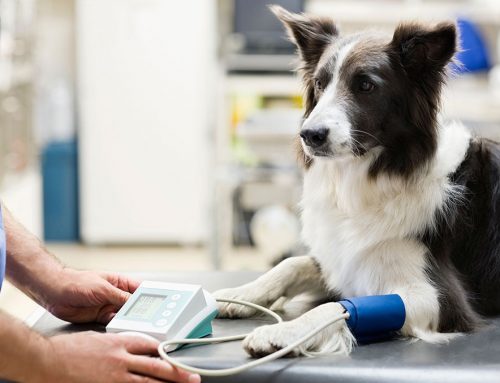
A deworming visit starts with a hands-on exam and an accurate weight, since dosing is weight-based and puppies and kittens change fast. If a stool sample is indicated, testing runs before treatment. Then medication goes home or gets given in the room, and we set the date for the next round.
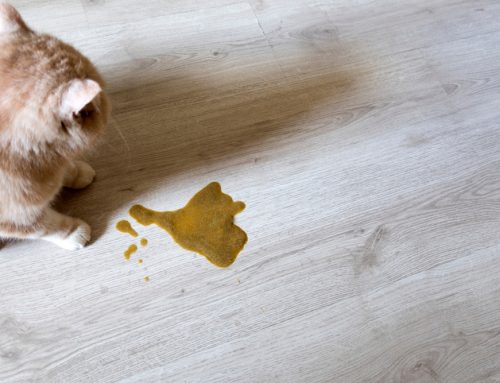
Most dewormers come as a flavored liquid, a chewable tablet, a paste, or a topical applied to the skin between the shoulder blades. Kittens and small puppies usually do best with the liquid, and cats who object to oral medication are strong candidates for the topical. Whatever fits your pet's temperament and your household routine is the right choice, and we'd rather sort that out in the exam room than have a dose end up on the kitchen floor.
Mild effects in the first day or two are common and expected: a softer stool, a smaller appetite, some sleepiness, and sometimes visible worms in the stool or vomit, which is unpleasant to see but a sign the medication is working. Call us if you see repeated vomiting, diarrhea lasting more than a day, pale gums, weakness, or a puppy or kitten who won't nurse or eat. Those pets need sick and emergency care, and if something serious develops after we close, head to the nearest veterinary emergency hospital.
Never give a human dewormer or a leftover medication prescribed for another animal, and never estimate a dose from a package meant for an adult dog. A dosing error in a two-pound kitten is dangerous, and if the wrong product or the wrong amount has already gone in, call us or the Pet Poison Helpline right away rather than waiting to see what happens.
What Canton Families Ask Us About Deworming
My puppy came from the breeder already dewormed. Do we still need to?
Almost always, yes. Breeders and shelters typically give one or two early doses, which is a great start and rarely the finish. The tissue larvae that mature later still need the remaining rounds, and the products used vary in what they cover. Bring any paperwork you have to the first visit so we can see what was given and when, then pick up the schedule from there rather than starting over.
I don't see any worms in the stool. Isn't that a good sign?
It's reassuring, but it isn't confirmation. Most intestinal parasites shed microscopic eggs rather than visible worms, so a normal-looking stool can come from a pet with a meaningful burden. Tapeworm segments and roundworms are the two that sometimes show up to the naked eye, and even those appear inconsistently. A fecal test under the microscope is what answers the question.
Can my indoor-only kitten really get worms?
They can. Kittens are frequently born infected through their mother, so indoor status after adoption doesn't undo what came before. Fleas also come inside on pant legs and other pets, and potting soil can carry eggs. Indoor cats generally need less frequent testing than outdoor hunters, but the puppy and kitten deworming series and year-round prevention still apply. Call or text us if you're unsure what your kitten has already had.
Building Your Puppy or Kitten's Parasite Prevention Plan
Three pieces do the work here, and each one covers what the others miss: repeated early deworming to clear the waves of larvae, monthly prevention that keeps running after the series ends, and fecal testing to confirm the plan is holding. Drop any one of them and the cycle finds the opening.
The first months with a new puppy or kitten come with a lot of appointments and a lot of questions, and sorting out which ones matter is hard when everything is new. That's what we're here for, so book your puppy or kitten's next visit at Sixes Animal Hospital at Bridgemill and bring your questions with you.